Protein and Weight Management: Why It Matters in a Balanced Diet
Protein supports growth, muscle health, and satisfying meals. Discover its role alongside fiber, sleep, movement, and the rest of your diet—without restrictive rules or miracle claims.
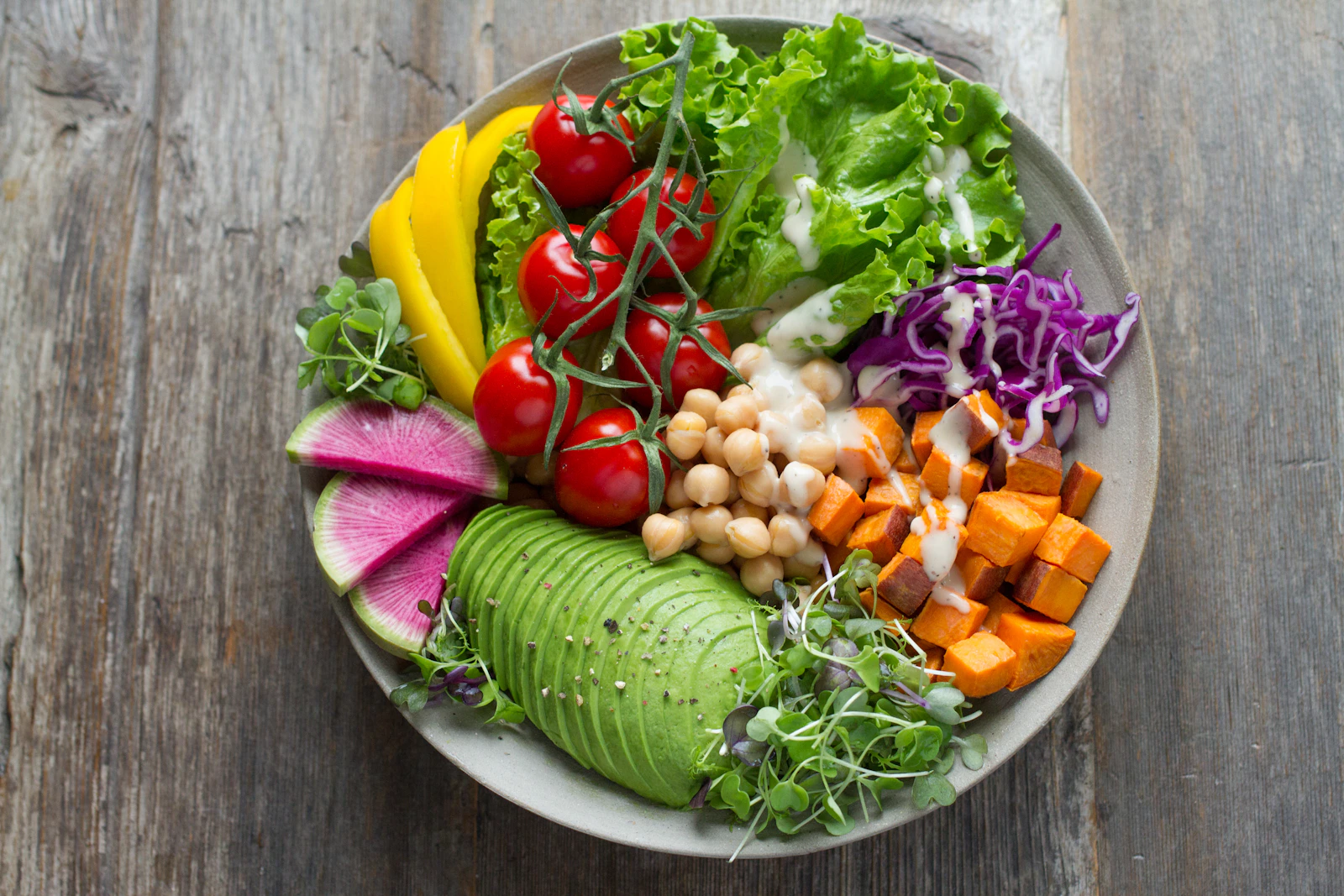
Protein is one of the most discussed nutrients in wellness articles, fitness videos, and food advertising. But does eating more of it automatically lead to a healthier body? The answer is more nuanced. Protein plays an essential role in your body’s everyday functions, while health and weight are shaped by many other factors too.
This guide explains what protein does, where to find it, and how it fits into enjoyable, balanced meals. It also looks at common myths about supplements and meal timing, with links to established health and nutrition resources.
What protein does in your body
Protein is an essential nutrient made from building blocks called amino acids. Your body uses them to build and maintain tissues, make enzymes and hormones, and support many everyday functions. Protein is especially important during periods of growth, recovery, and changes in activity.
Yet it is only one part of a balanced eating pattern: carbohydrates provide useful energy, dietary fats support cell function and help the body absorb certain vitamins, and plant foods contribute fiber and micronutrients. MedlinePlus explains the basics of dietary protein and why eating a variety of foods matters.
The word “protein” often appears in marketing for bars, shakes, and supplements, but ordinary foods can supply it too. Beans, lentils, eggs, fish, yogurt, tofu, nuts, and many other foods all contribute. You do not need to turn every meal into a protein calculation to benefit from eating a varied diet.
How protein relates to weight and appetite
Protein-containing foods can contribute to the feeling of satisfaction after a meal. Researchers study how protein affects digestion, appetite-related signals, and the way people experience fullness. However, results depend on the overall meal, individual needs, sleep, activity, and other factors. It would be misleading to promise that adding protein automatically changes body weight.
When people discuss protein and weight management, it helps to separate two questions: whether a meal is nourishing and satisfying, and whether a particular weight change is medically appropriate. They are not the same thing.
A healthy eating pattern should provide enough energy and nutrients, be enjoyable, and suit a person’s life stage. If a weight change concerns you, a healthcare professional can assess the broader picture rather than focusing on one nutrient.
For a deeper explanation of the many factors that can influence weight, see our guide to healthy eating and unexpected weight changes.
Protein quality: look at the whole food
Foods provide more than a single nutrient. Lentils and beans contain protein along with fiber and minerals. Yogurt may provide protein and calcium. Fish can contribute protein and, depending on the variety, beneficial fats. Nuts and seeds supply protein alongside unsaturated fats and other nutrients.
The Harvard Nutrition Source encourages looking at the complete nutritional package rather than protein content alone.
That wider view makes everyday decisions easier. A meal does not have to resemble a fitness advertisement to be nutritious. A familiar combination such as rice and beans, vegetables, and a food you enjoy can provide a mix of nutrients. Cultural food traditions, budget, allergies, and availability all matter.
Choosing a variety of protein sources can also make meals more interesting and help provide different vitamins, minerals, fats, and types of fiber.

Everyday protein sources for different preferences
Protein is available in many familiar foods. Animal-based options include eggs, milk, yogurt, cheese, fish, poultry, and meat. Plant-based choices include beans, lentils, chickpeas, tofu, tempeh, soy foods, nuts, and seeds. Many meals combine several sources.
You do not need to eat every protein source to have a balanced diet. Your choices may depend on taste, culture, budget, allergies, religious practices, and food availability. A person who does not eat meat can obtain protein from suitable plant foods, while someone who eats animal products can still benefit from including legumes and other plants.
When planning meals, consider what the foods provide together. For example, beans and whole grains contribute protein and fiber, while yogurt with fruit can provide protein alongside other useful nutrients.
People who follow a vegan diet or have several food restrictions may benefit from professional guidance to ensure adequate intake of nutrients such as vitamin B12, iron, calcium, and others according to their needs.
Why protein works best alongside fiber and variety
A meal containing protein is not automatically complete. Vegetables, fruits, legumes, whole grains, and healthy sources of dietary fat all contribute important nutrients. Fiber-rich foods support digestive health and can help meals feel satisfying.
The World Health Organization identifies adequacy, balance, moderation, and diversity as central principles of healthy eating.
Instead of building your entire menu around protein, think about combining food groups in ways you enjoy. A bowl with lentils, rice, vegetables, and olive oil offers a different nutritional combination from yogurt, fruit, and oats. Both can fit into a varied diet.
No single food or nutrient needs to dominate every meal. A sustainable eating pattern also leaves room for enjoyment, convenience, and the foods that are meaningful to you and your family.
Protein, movement, and muscle health
Muscles need protein for normal maintenance and repair, but movement and recovery matter too. Walking, cycling, dancing, swimming, and other enjoyable activities can support physical and mental well-being.
The CDC describes the benefits of regular physical activity, including support for bones, muscles, sleep, and cardiovascular health.
Nutritional needs can vary for people who are very active, recovering from illness, or experiencing growth. That does not mean everyone needs a protein shake or a strict exercise routine. Regular meals and a variety of protein-containing foods can support many people’s needs.
If you are beginning a new activity or have a medical condition, a qualified clinician or dietitian can help you plan appropriately.
Movement should not be used as punishment for eating. Adequate nourishment, rest, and activities you enjoy are all part of caring for your body.

Do you need protein at every meal?
You may have seen claims that protein must be eaten at exact times or that missing a “protein window” wastes a workout. Such messages often make ordinary eating seem more complicated than it needs to be.
For most people, the overall quality and adequacy of their diet matter more than following a rigid schedule. Individual requirements can differ, especially for competitive athletes or people receiving medical nutrition care.
It may be convenient to include protein-containing foods in several meals because that creates variety and gives you multiple opportunities to meet your needs. But there is no universal meal timetable.
School, work, culture, appetite, and family routines affect when and how people eat. If you are hungry between meals, a snack is a reasonable response; you do not have to ignore hunger to follow a plan.
What about protein powders and bars?
Protein powders and bars are widely marketed as essential for fitness and weight management, but many people can meet their needs through regular foods. A supplement may be useful in particular circumstances when recommended by a qualified professional, but it is not automatically healthier than a meal or snack.
Products differ in ingredients, allergens, quality controls, and cost. Be cautious of claims promising dramatic body changes, “fat burning,” or a guaranteed metabolism boost. These messages often overlook the complexity of health and may not be supported by reliable evidence.
For children and teenagers, growth-related nutrition needs should be addressed with an appropriate healthcare professional rather than adult supplement or weight-loss advice.
If a medical condition affects your kidneys or requires dietary restrictions, do not substantially change protein intake without advice from your care team.
Sleep, stress, and the way meals feel
Even a well-balanced meal does not determine appetite on its own. A short night, a demanding week, illness, medication, or an unusually active day can change how hungry you feel. These variations are part of normal human experience.
Protein and fiber may help meals feel satisfying, but they cannot replace sleep, reduce every source of stress, or override changing energy needs.
If you often feel hungry, consider whether you have regular opportunities to eat, enough food available, and time to rest.
Our guide to hunger and appetite explores these factors in more detail. If appetite changes suddenly or persistently, particularly with other symptoms, a healthcare professional can help investigate.
Building balanced meals without rigid rules
Start with foods you already like. A familiar breakfast could include toast, eggs or beans, and fruit. A lunch might pair grains with vegetables and tofu, fish, or lentils. Dinner can follow your family’s traditions while including a mix of food groups.
There is no requirement to eat the same foods every day, measure every ingredient, or buy expensive specialty products.
Planning ahead can make meals easier when life gets busy. Keeping canned beans, frozen vegetables, whole grains, or other convenient staples on hand may help. Sharing cooking responsibilities, using leftovers, or choosing simple recipes can reduce pressure.
If you have limited food access, practical support and local services may matter more than an idealized meal plan.
Notice how meals support your energy, concentration, enjoyment, and comfort. If eating becomes a source of persistent anxiety or guilt, a trusted adult or qualified health professional can help you find support.

When to seek individualized advice
General articles cannot tell you how much protein your body personally needs. Age, health, activity, growth, pregnancy, medical treatment, and dietary preferences all affect nutritional requirements.
A registered dietitian can help assess whether your eating pattern provides adequate protein and other nutrients while respecting your circumstances.
Seek medical advice if you have unexplained changes in appetite or weight, ongoing fatigue, difficulty eating, or symptoms that concern you.
If you have kidney disease or another condition requiring dietary management, individualized advice is especially important. Avoid diagnosing yourself from online quizzes or making major dietary changes based on a single social-media claim.
Frequently asked questions
Does eating more protein automatically cause weight loss?
No. Protein is an essential nutrient, but body weight is influenced by many factors. More protein does not guarantee a particular outcome.
Are plant proteins good sources of nutrition?
Yes. Beans, lentils, tofu, soy foods, nuts, and seeds can contribute protein and other useful nutrients as part of a varied diet.
Do I need protein shakes?
Not necessarily. Many people can meet their needs with everyday foods. Seek individualized advice if you think a supplement may be necessary.
Should I avoid carbohydrates to focus on protein?
No. Whole grains, fruit, beans, and other carbohydrate-containing foods can provide energy, fiber, and important nutrients.
How much protein do I need?
Requirements vary by age, health, activity, and other factors. A qualified dietitian can help assess your individual needs.
The bottom line
Protein helps your body grow, maintain tissues, and function every day. Protein-containing foods can also contribute to satisfying meals, particularly when combined with fiber-rich plants, carbohydrates, and dietary fats.
Yet no single nutrient determines your health or guarantees a particular change in weight.
Choose foods you enjoy, consider the full nutritional value of your meals, and be cautious of dramatic supplement claims. When your needs are unclear or you have a health concern, individualized advice from a qualified professional is more useful than a one-size-fits-all internet rule.