Why Healthy Eating Habits Are Hard to Maintain — and What Can Help
Healthy eating involves more than knowing which foods provide nutrients. Discover how busy schedules, stress, sleep, food access, and unrealistic expectations can influence everyday eating habits.
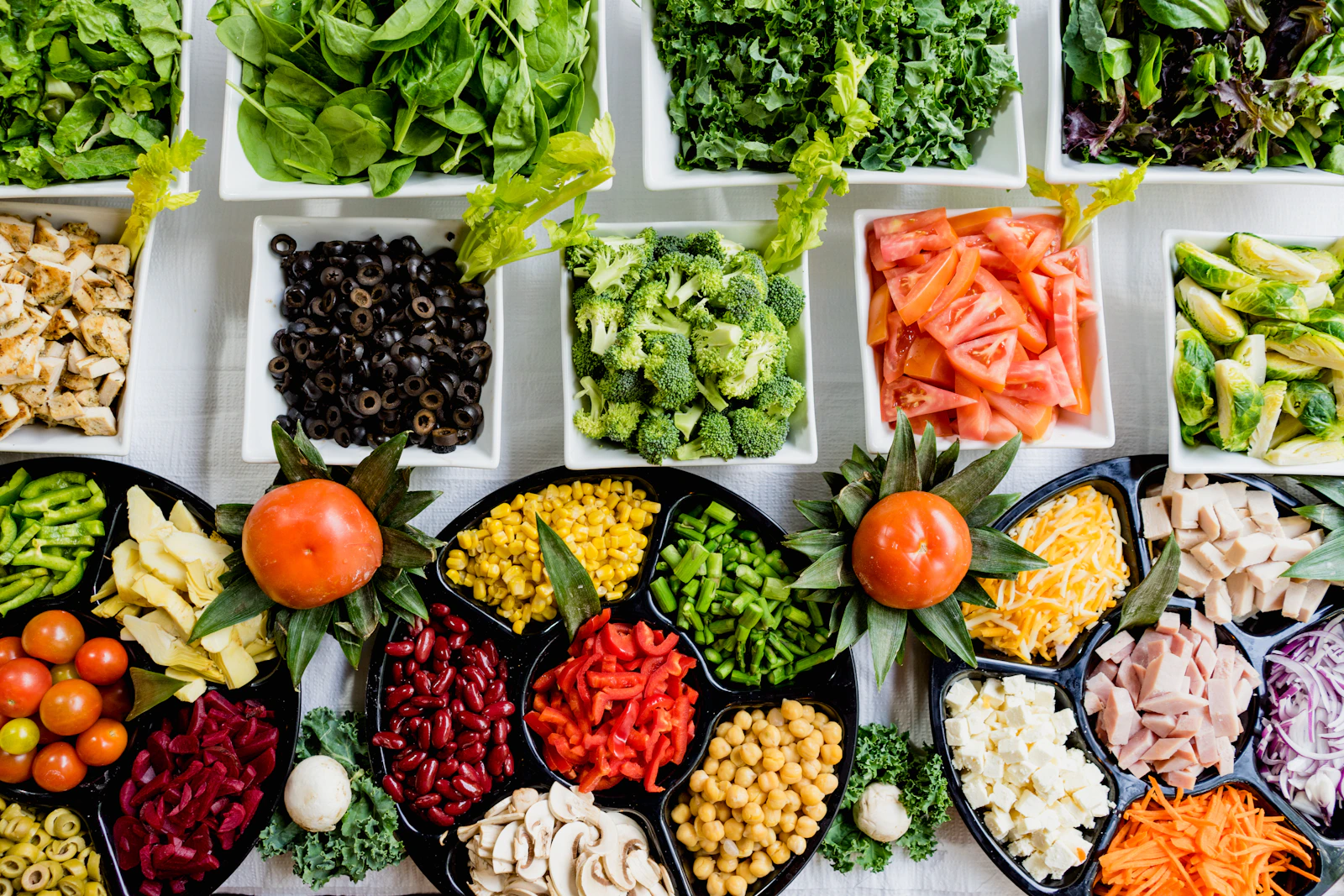
Many people understand the basic principles of balanced nutrition. They know that fruit, vegetables, whole grains, legumes, and other nutritious foods can contribute to health. Yet putting that knowledge into practice every day can be difficult.
A demanding work schedule, limited access to groceries, family responsibilities, stress, or poor sleep can all influence what someone eats. Even when nutritious food is available, preparing meals may require time and energy that are not always easy to find.
This is why healthy eating should not be reduced to motivation or willpower. Food choices take place within real social, financial, emotional, and environmental circumstances.
Understanding these influences makes it easier to develop flexible habits that support nutrition without turning food into another source of pressure.
Why knowing what to eat is not always enough
Nutrition knowledge can help people make informed decisions, but knowledge does not automatically translate into consistent habits.
Someone may understand the benefits of eating vegetables yet struggle to purchase or prepare them regularly. Another person may have access to nutritious foods but face a schedule that makes regular meals difficult.
Food choices are influenced by availability, affordability, convenience, taste, cultural traditions, and individual health.
The World Health Organization recognizes that healthy dietary patterns vary according to individual characteristics, cultural context, locally available foods, and dietary customs.
Instead of assuming that difficulty maintaining a habit reflects insufficient discipline, consider which practical barriers are present.
Identifying a barrier can help you find a realistic adjustment. For example, someone with limited cooking time may benefit from simple meals using frozen vegetables or canned legumes.
How busy routines influence food choices
Daily schedules affect when people shop, cook, eat, and rest.
Work, school, commuting, caregiving, and unexpected responsibilities can make it difficult to prepare elaborate meals.
Convenience foods are not automatically unhealthy. Many practical options, including canned beans, frozen vegetables, whole-grain bread, and yogurt, can contribute valuable nutrients.
Keeping a few familiar ingredients available may reduce the effort required to prepare a satisfying meal.
For example, a combination of rice, beans, vegetables, and a suitable protein source can be adapted to different preferences and budgets.
A practical routine should also allow for days when cooking is not possible. Nutritious eating does not require every meal to be prepared from scratch.
Stress and eating habits
Stress can influence appetite, digestion, food preferences, and daily routines.
Some people notice that their appetite increases during demanding periods. Others may feel less interested in food.
Stress can also make planning, shopping, and preparing meals feel more difficult.
These experiences vary between individuals. They are not evidence that someone lacks self-control.
Supportive approaches may include regular opportunities to eat, access to convenient nutritious foods, rest, and help with daily responsibilities when available.
When stress or emotional difficulties consistently interfere with eating or daily life, qualified professional support may be beneficial.

The role of sleep in everyday eating
Sleep influences attention, energy, emotional regulation, and several biological systems involved in appetite.
After insufficient sleep, some people experience changes in hunger or food preferences. They may also have less energy for shopping or preparing meals.
Research suggests that sleep restriction can affect eating behavior in certain circumstances, although responses vary.
A poor night’s sleep does not automatically cause unhealthy eating, and food choices depend on many other factors.
Maintaining opportunities for adequate rest and keeping accessible foods available can help support demanding routines.
Read our article about sleep, hunger, and eating habits for a closer look at this relationship.
Food access and affordability matter
Healthy eating advice sometimes assumes that everyone has access to the same foods, kitchen equipment, transportation, and free time.
In reality, food prices, local availability, housing conditions, and work schedules can limit the options available to individuals and families.
A nutritious eating pattern does not depend on purchasing expensive products or fashionable superfoods.
Beans, lentils, seasonal produce, frozen vegetables, whole grains, and other familiar ingredients can provide important nutrients.
The most appropriate choices depend on local prices, storage options, allergies, preferences, and nutritional needs.
Access to adequate food is a broader public-health issue. Individual meal-planning tips cannot solve every financial or environmental barrier.
Why perfectionism can make healthy eating harder
Online nutrition advice often presents meals as either completely healthy or completely unhealthy.
This approach overlooks the fact that overall dietary patterns matter more than any single meal or ingredient.
Rigid rules can make ordinary situations, such as family celebrations or changes in schedule, feel unnecessarily stressful.
A flexible eating pattern allows room for preferences, convenience, tradition, and enjoyment.
There is no need to compensate for a meal that differs from your usual routine.
Instead, focus on adequate nourishment and a variety of foods over time.
If food rules begin to create persistent anxiety or interfere with social life, consider speaking with a qualified healthcare professional.

Making meal planning more practical
Meal planning can be useful when it reduces daily decision-making. However, a plan should support your routine, not become another rigid obligation.
Some people prefer planning several meals in advance. Others find it easier to keep versatile ingredients available and decide what to prepare each day.
A flexible approach might involve cooking extra portions of a familiar dish, washing vegetables in advance, or keeping convenient ingredients on hand.
Leftovers can also reduce preparation time when stored and reheated safely.
Planning should account for unexpected events. A schedule that changes occasionally does not mean the entire routine has failed.
Choose a method that makes eating easier rather than more complicated.
Finding variety without complicated recipes
Dietary variety helps provide different nutrients, but it does not require preparing a completely new recipe every day.
Small changes to familiar meals can introduce different foods and flavors.
For example, a rice-and-beans meal can be accompanied by different vegetables throughout the week.
Oatmeal can be combined with different fruits, nuts, or seeds, depending on individual needs and preferences.
Soups, sandwiches, salads, and grain-based dishes can also be adapted using available ingredients.
Our articles on protein and dietary fiber explain how different food groups contribute to balanced nutrition.

Building flexible habits that last
A sustainable habit is one that can adapt to ordinary changes in life.
Your schedule, appetite, food preferences, and nutritional needs may vary from day to day.
Rather than aiming for a flawless routine, consider which habits make adequate nutrition easier in your circumstances.
For some people, that means keeping breakfast ingredients available. For others, it means having reliable options for meals during a busy workday.
Regular access to food, adequate sleep, enjoyable movement, and support from others can all contribute to overall well-being.
Our beginner’s guide to walking explores another way to incorporate enjoyable activity into everyday life.
The purpose of healthy habits is to support your life, not to make your life revolve around strict rules.
When additional support may help
Some eating difficulties are connected to medical conditions, medications, digestive symptoms, food insecurity, or emotional distress.
These circumstances may require more than general lifestyle advice.
A registered dietitian or another qualified healthcare professional can provide individualized guidance when appropriate.
If access to food is a concern, local community organizations, school programs, and public services may offer support, depending on your location.
Seeking assistance is a practical response when a challenge cannot be resolved through individual planning alone.
Frequently asked questions
Why is it difficult to eat well consistently?
Eating habits are influenced by schedules, food availability, affordability, stress, sleep, preferences, and health needs. Knowledge alone cannot remove every barrier.
Do healthy meals need to be expensive?
No. Familiar ingredients such as legumes, grains, seasonal produce, and frozen vegetables can contribute valuable nutrients. Prices and availability vary by location.
Is meal planning necessary?
Not for everyone. Some people find planning useful, while others prefer keeping versatile ingredients available. The best approach depends on your routine.
Can stress change eating habits?
Yes. Stress may influence appetite, food preferences, and the energy available for preparing meals. Individual responses differ.
Do I need to avoid all convenience foods?
No. Many convenient foods, including frozen vegetables and canned legumes, can contribute to balanced nutrition.
What if my eating routine changes?
Flexibility is a normal part of everyday life. An occasional change does not erase the benefits of your overall eating pattern.
The bottom line
Healthy eating is not simply a matter of knowing which foods contain important nutrients.
The ability to maintain eating habits depends on available time, financial resources, sleep, stress, health conditions, social circumstances, and personal preferences.
A realistic approach recognizes these influences and makes room for flexibility.
Simple meals, accessible ingredients, adequate nourishment, and supportive routines can help make balanced nutrition more practical.
Most importantly, healthy eating should contribute to well-being without requiring perfection.
References and further reading
AI tools assisted with the preparation of this article. Our editorial policy describes our approach to content development, source checking, and corrections. Read our Editorial Policy.
Family, culture, and social eating
Food is more than a collection of nutrients. It also plays an important role in relationships, celebrations, and cultural traditions.
Family meals, traditional recipes, and shared experiences can contribute to well-being.
Healthy eating guidance should respect these connections rather than treating social occasions as obstacles.
Traditional dishes often contain valuable combinations of grains, legumes, vegetables, protein sources, and other ingredients.
There is rarely a need to abandon familiar foods to develop a nutritious eating pattern.
Instead, consider how variety and adequate nourishment can fit within your own food culture.